Earth Day Party 2026

Throughout our journey to adapt to climate change, we’ve learned a key lesson: with our community behind us, anything is possible.

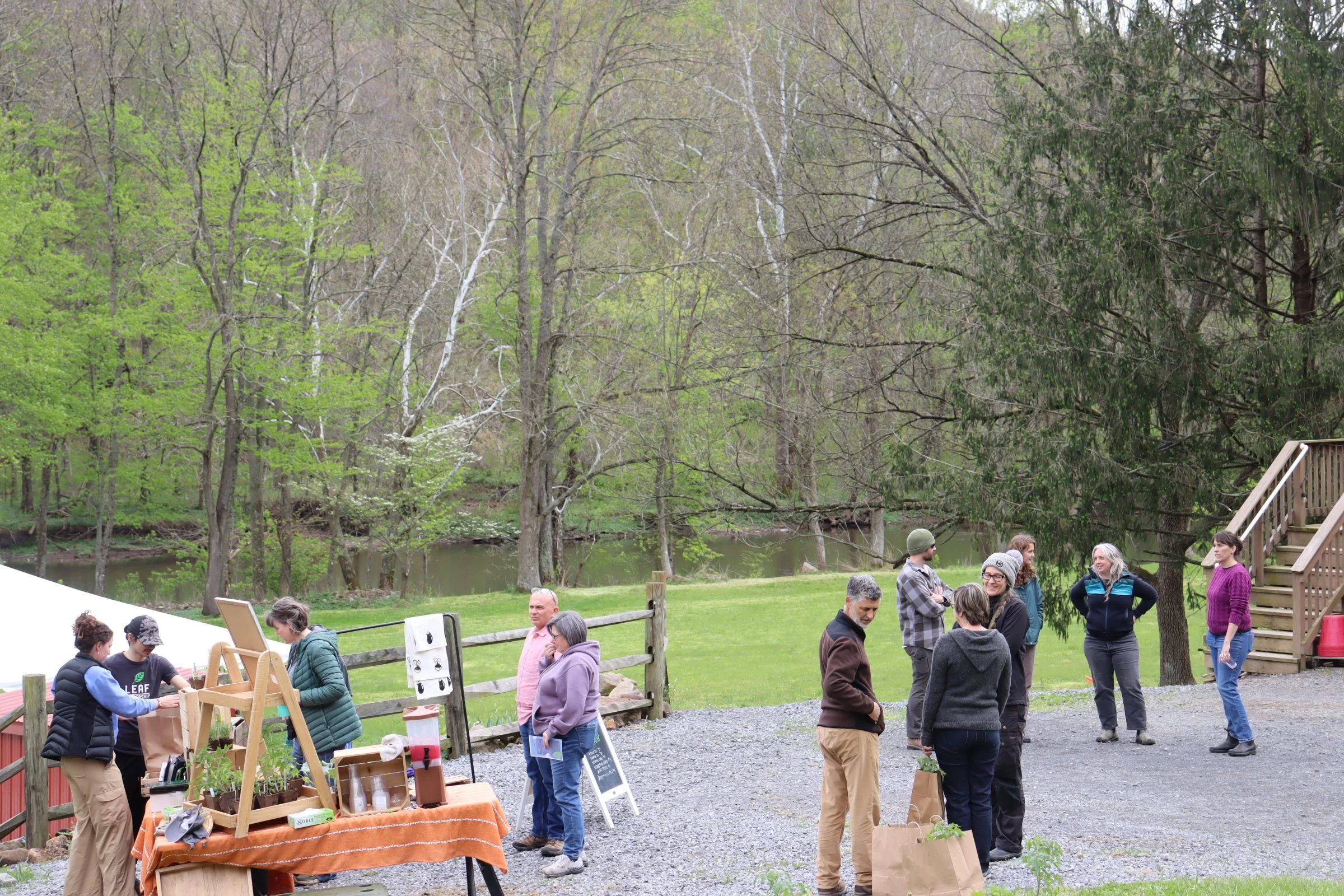
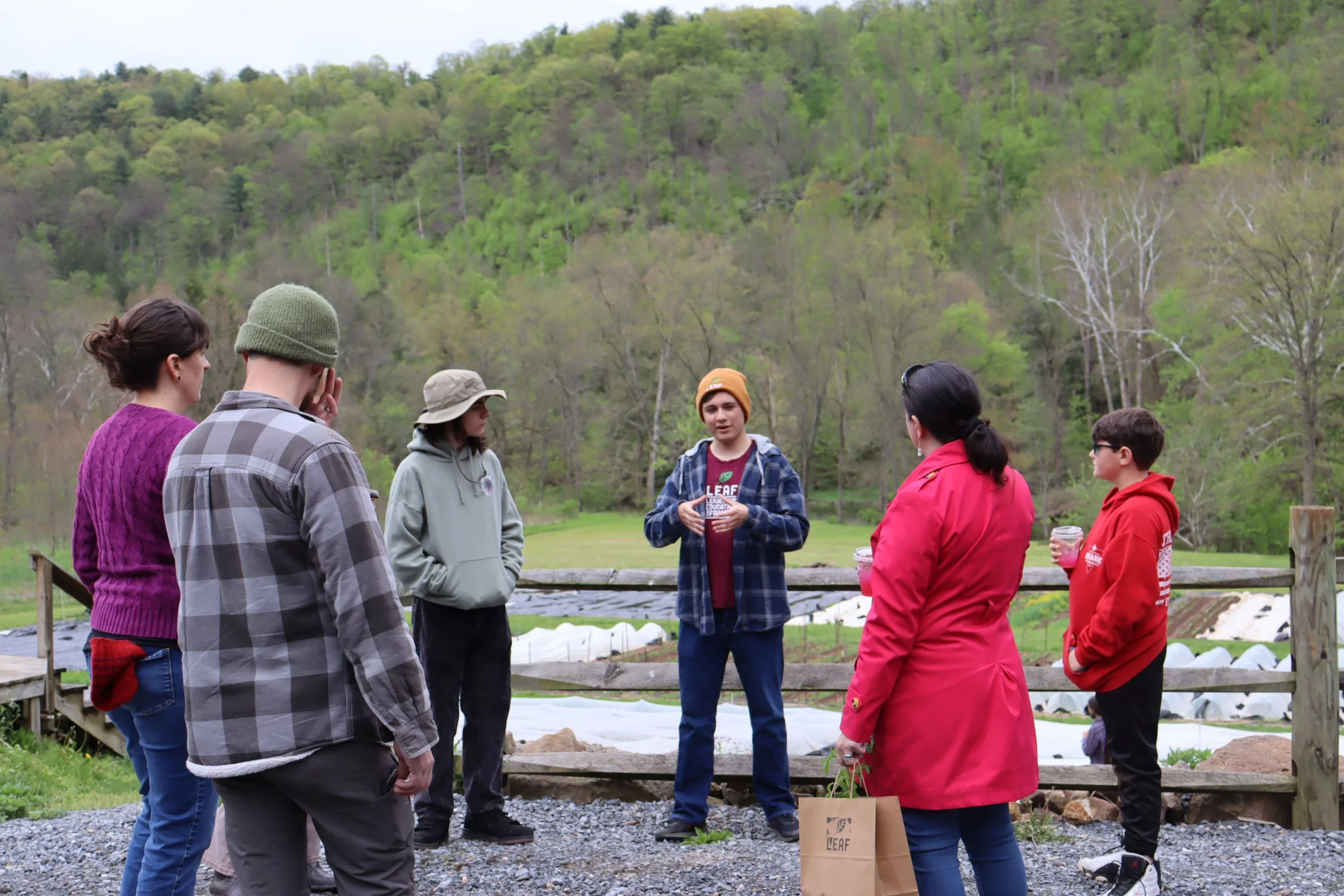
This is why we invited our supporters to attend an Earth Day Party at the farm this past Sunday! This event had three main goals: to meet face-to-face with the people that have been cheering us on from a distance, to raise awareness about climate change and inspire others to adapt to our changing world, and to appreciate the growth that the Earth offers us – no matter how unpredictable it may be. 

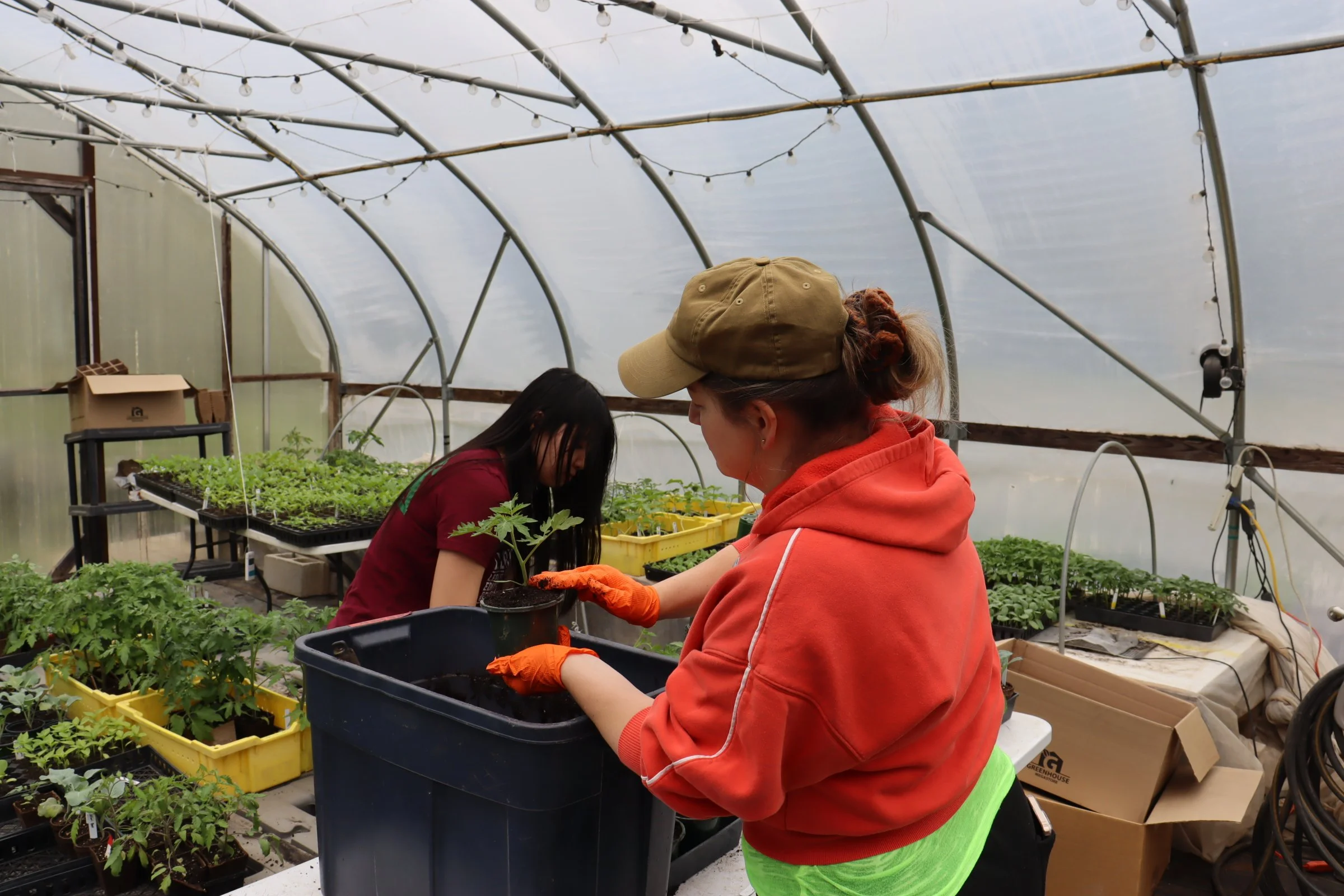
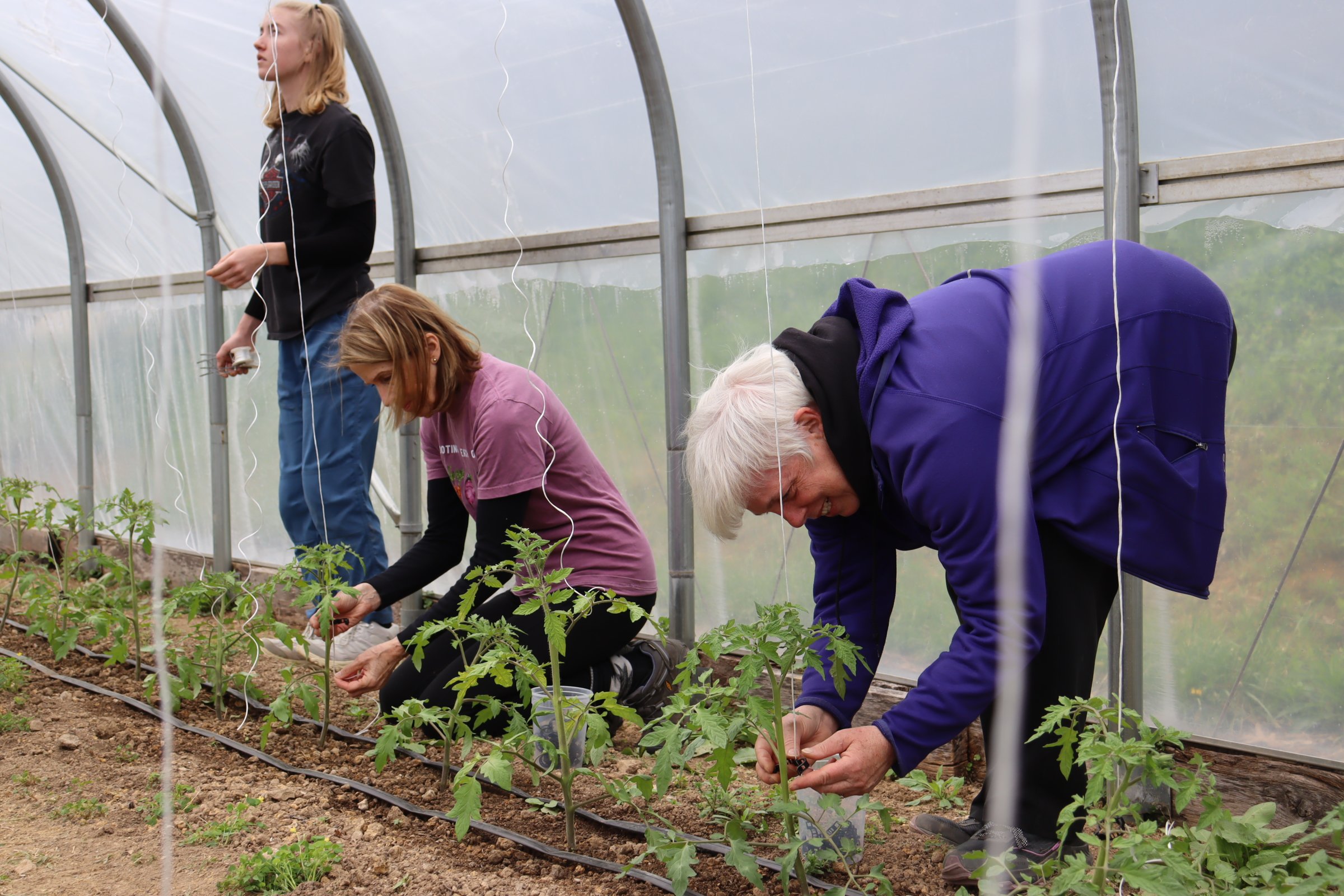
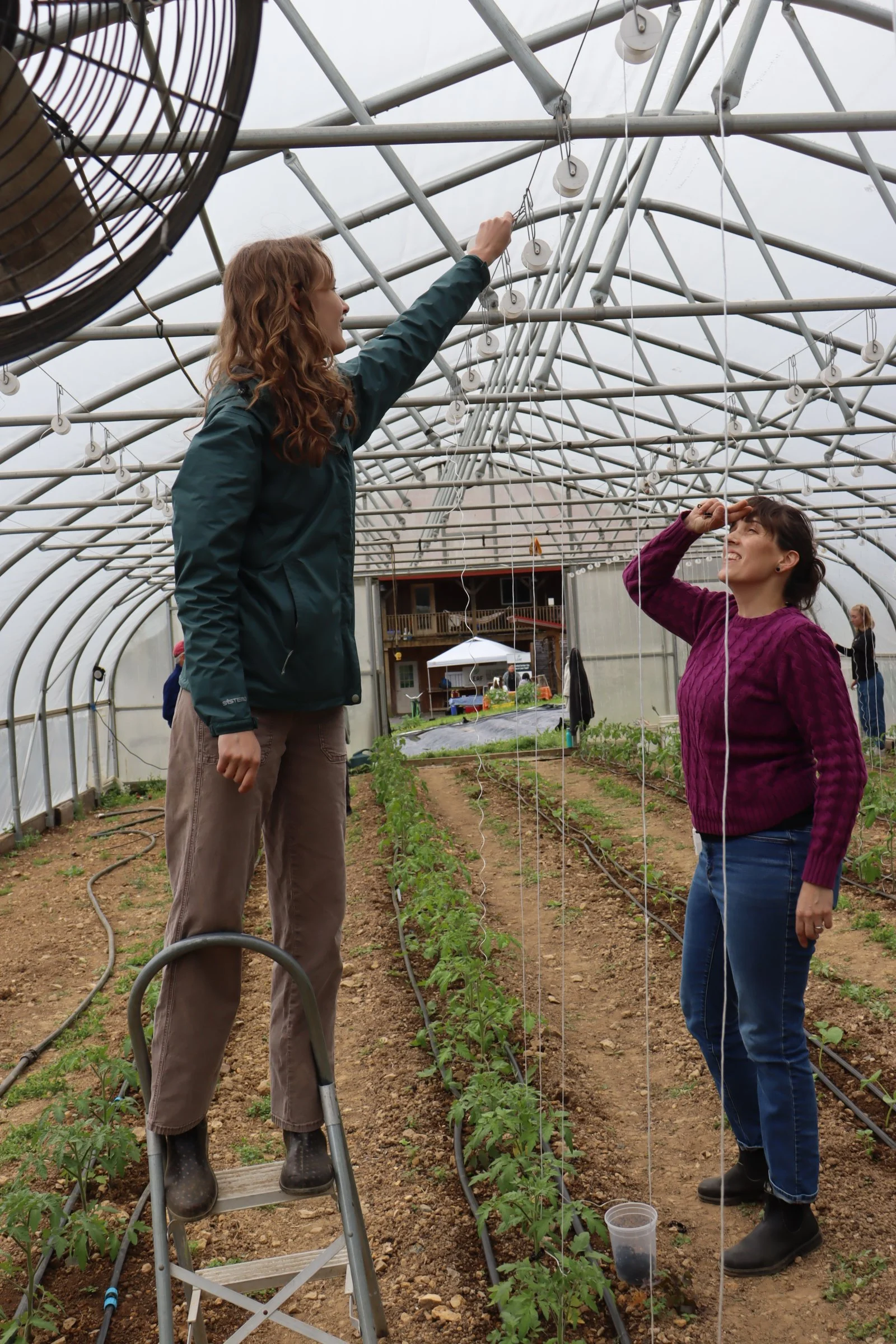
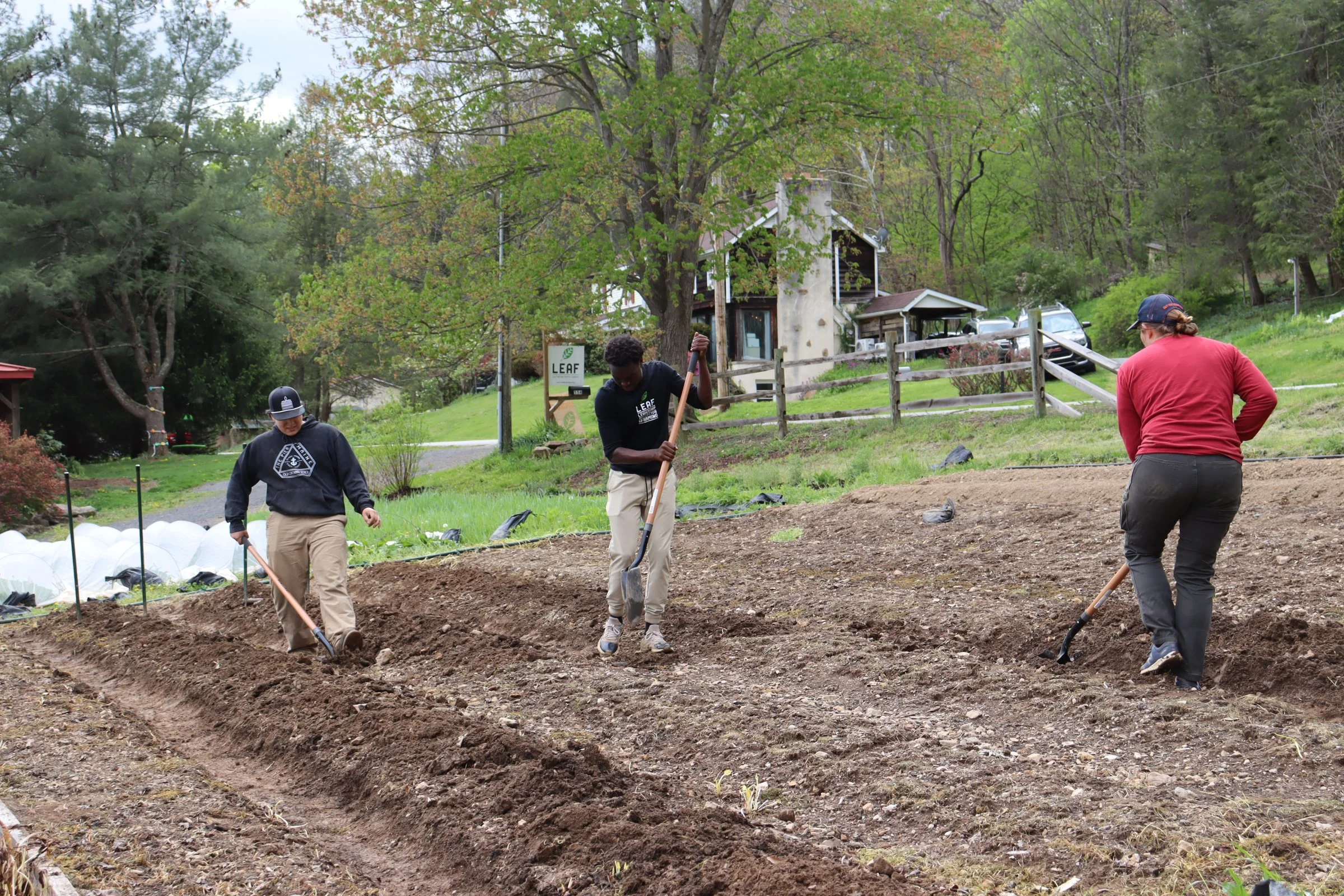
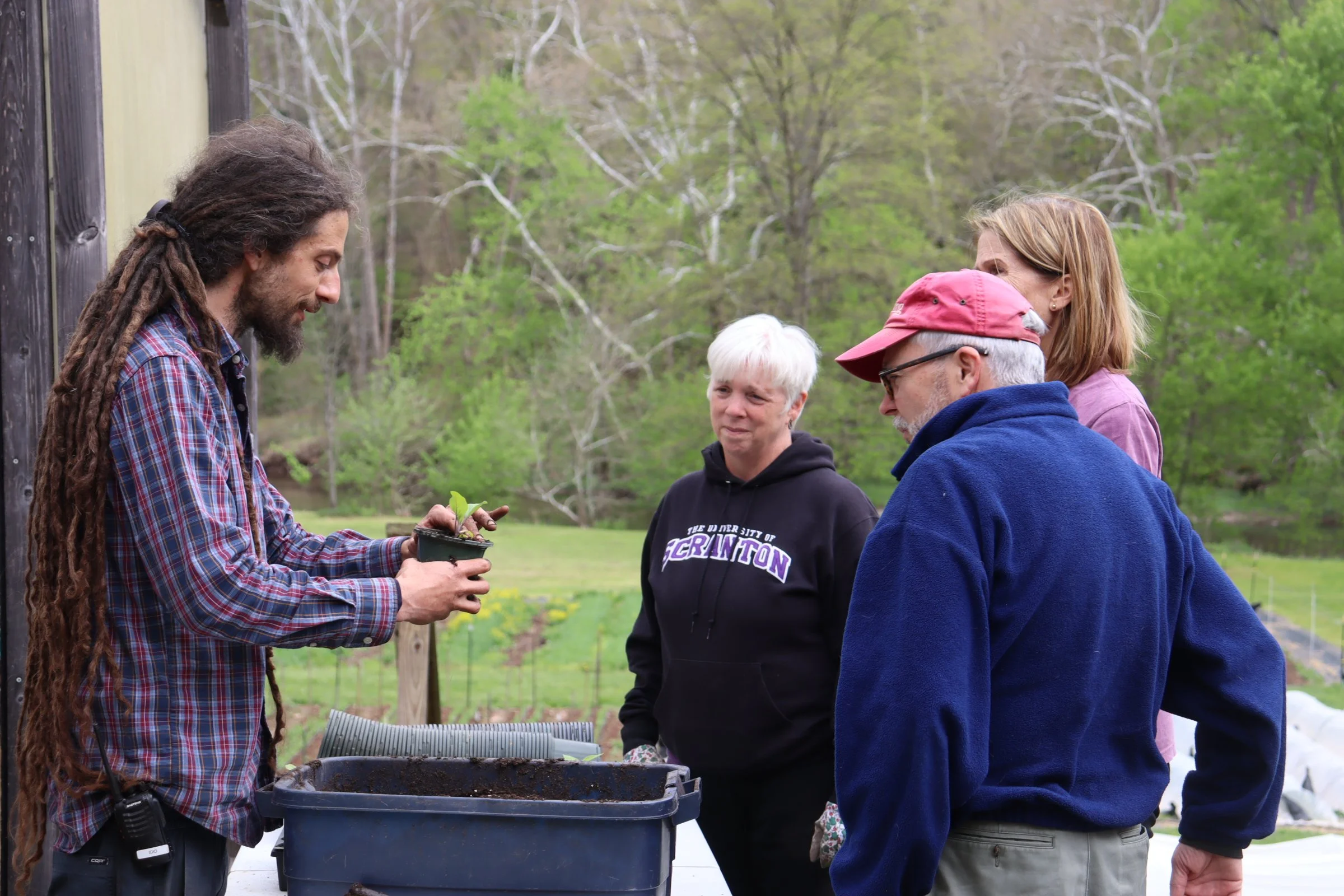
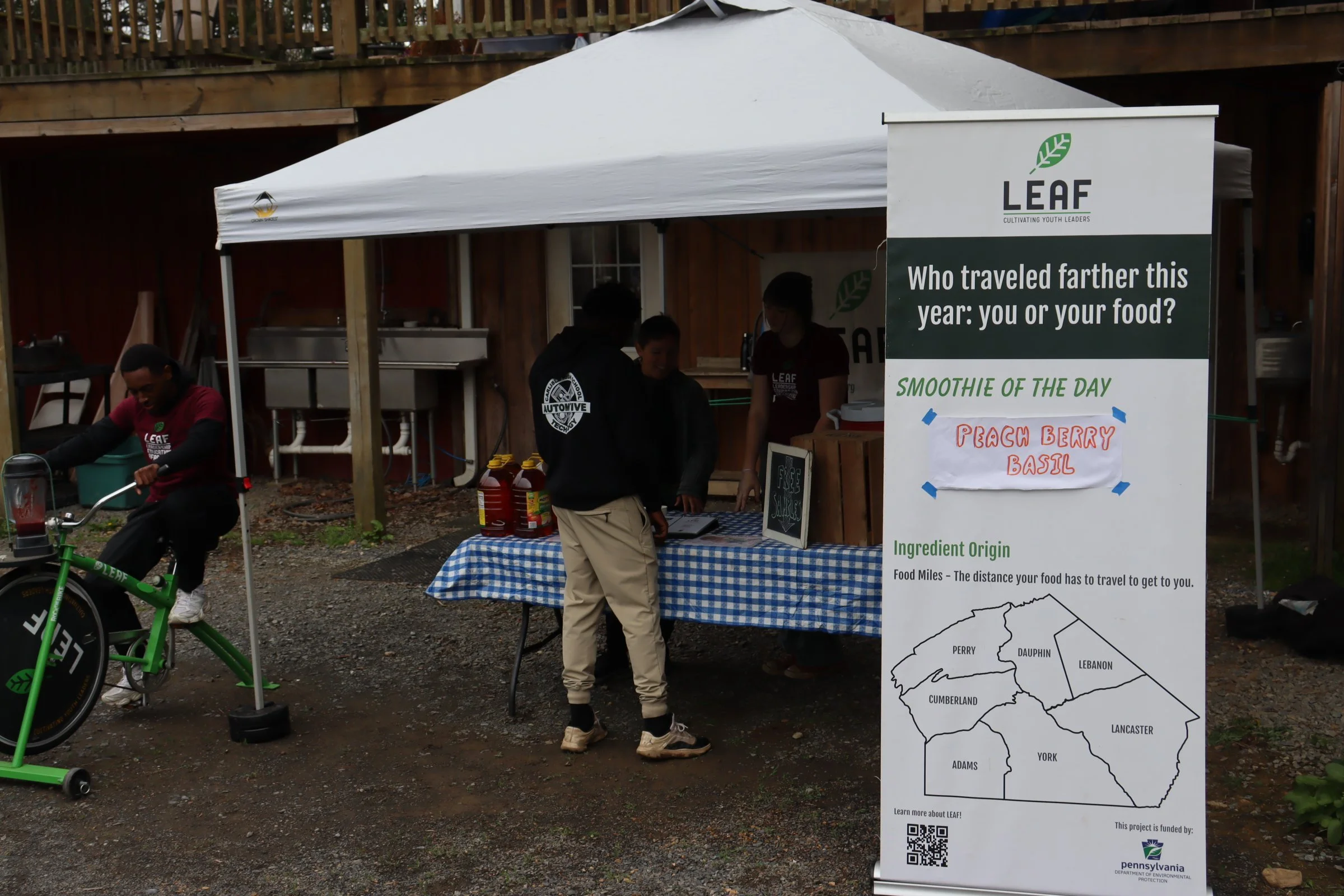
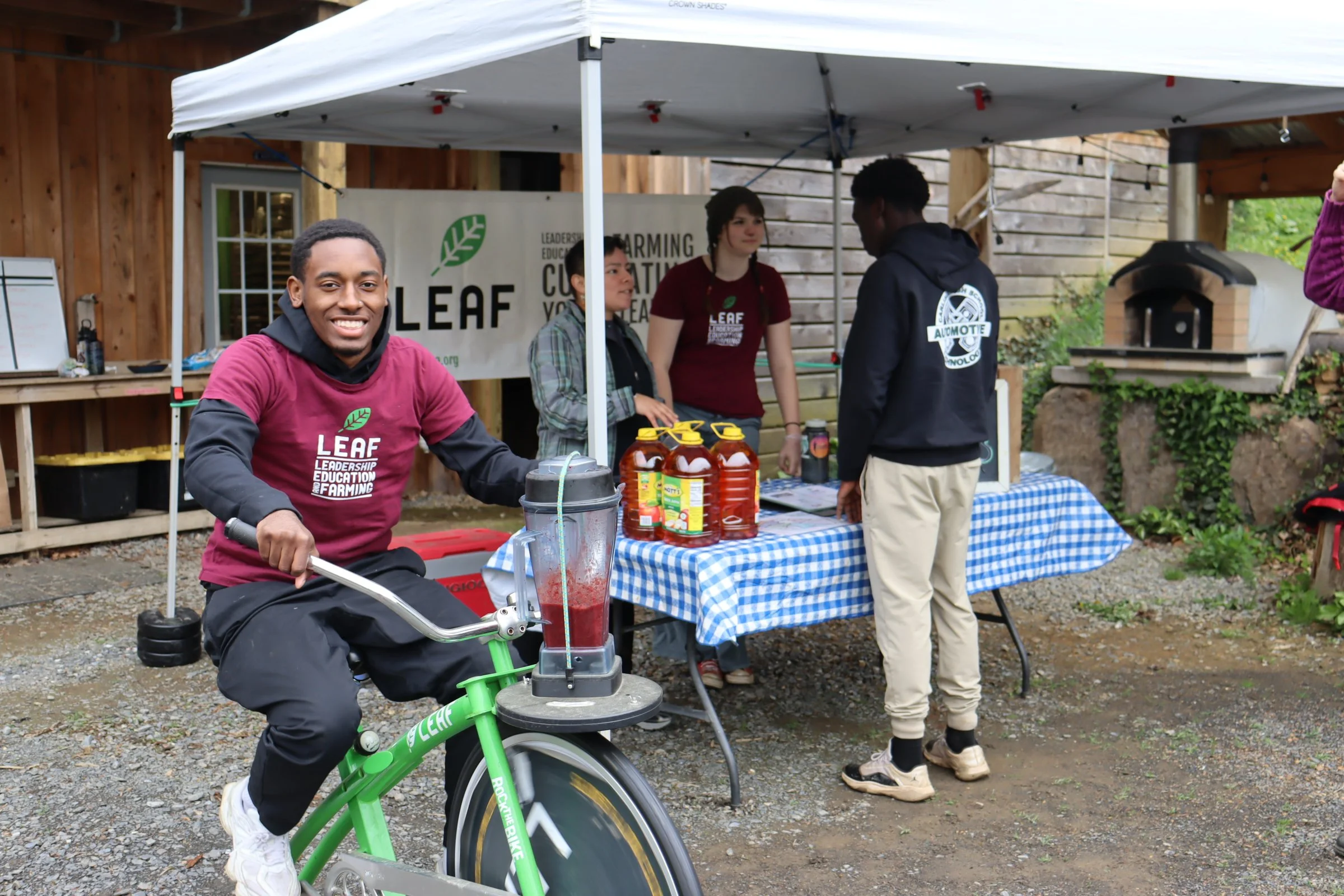
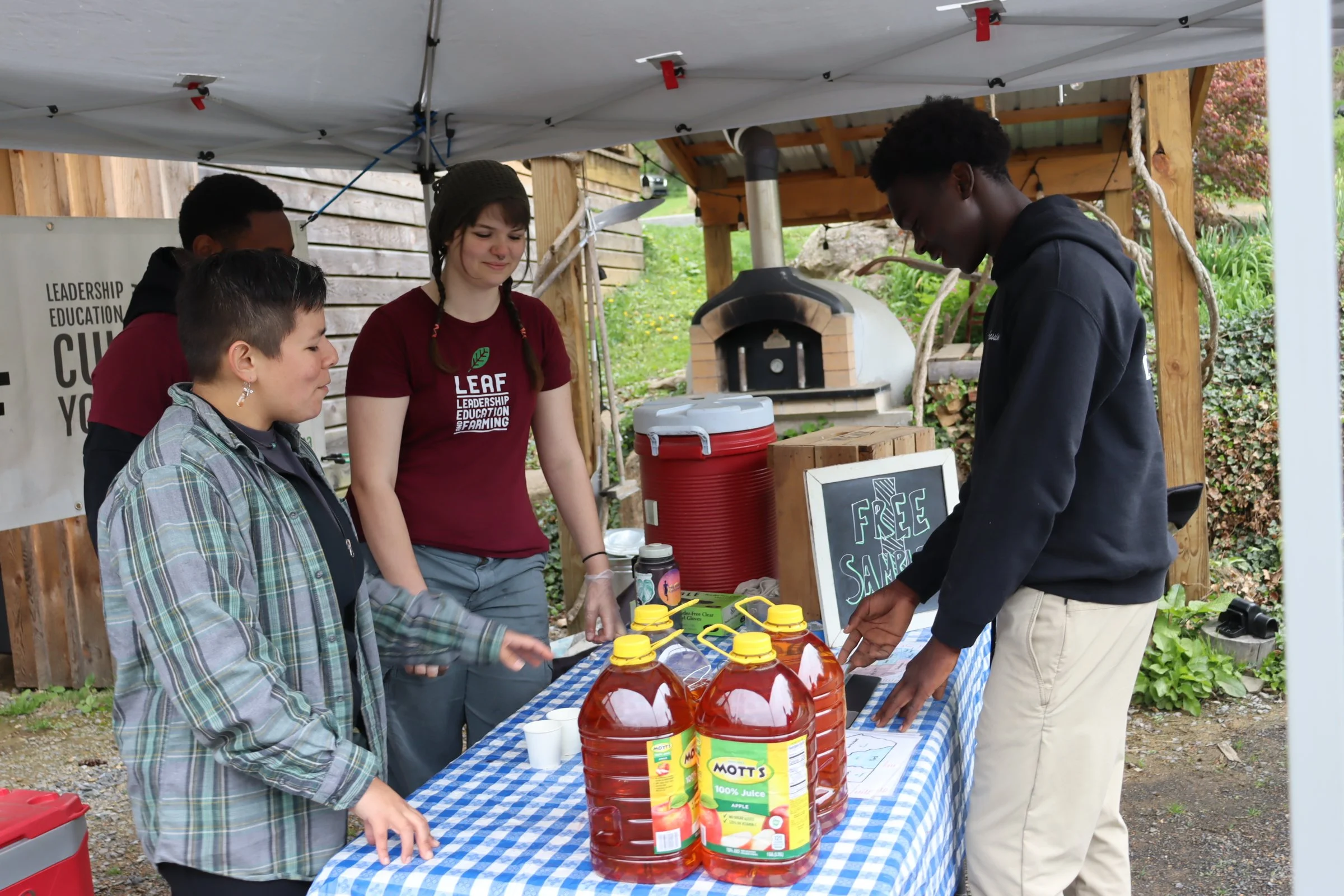
Attendees could participate in a number of activities.  Between going on a climate-smart farm tour, watching a smoothie demonstration (and trying a sample, of course!), shopping our pop-up seedling market, or joining in on a hands-on farm task, we kept busy.  Another highlight was a youth-made takeaway about climate resilience on our farm and in the home - check it out here! 

Who are we kidding - every day is an opportunity to celebrate our land and our community, so this Earth Day Party made our hearts extra happy! 

(Pssttt…Are you eager to explore the farm? Or want to stop by again to connect with us in-person? Save the date for our Open Farm Day on July 18th, 2026!)

Putting a Plan into Action

Happy Earth Day peeps! Our conversation about climate change continues!

The reaction that climate change triggers among operations across the globe is often rushed. When faced with such an expansive, impending topic, individuals can feel the urge to scramble and find a quick solution to combat the issue. Inversely, the response that we’re cultivating within our crew is to step back and take a deep breath. 

Rome wasn’t built in one day – and climate change can’t be solved in one, either. In order to properly respond in the most suitable and sustainable way for us, we knew that we’d have to spend time doing lots of research. Our crew received various workshops that dove into climate science: from the growing patterns of cacao trees to the advantages and drawbacks of dairy production. Then, they learned about the reality of climate change and how other growers in the area are responding to the varying conditions. 

With their heads full of valuable knowledge and inspired imaginations, the crew analyzed the farm closely. What are our strengths? they asked themselves. What are we still exploring? How could we grow? The crew immediately felt a sense of pride regarding our current soil health practices, crop diversity, and efficient irrigation systems. However, they dreamed of how we could improve the bare soil exposure, heat stress on crops, and risk of flooding on our farm. Faced with this information, the youth asked themselves one final question: how can we make ourselves even more sustainable than we are?   

After much deliberation (and a passionate debate), the youth crew decided on implementing the following adaptations: 

  • Planting perennials (plants that “come back every year” and wield a strong resistance to being flooded) in areas of high-flood-risk.

  • Purchasing backup infrastructure… like a generator!

  • Solidifying a resilient, stable water source through installing water catchment systems 

  • Reducing or eliminating the amount of bare soil on our property 

These decisions, while made confidently, required extensive periods of research in order to exist. As human beings, our first instinct is to panic when we’re faced with something that’s out of our hands. When we lose control, we scramble. 

Something that we’ve learned at LEAF is that there’s strength in numbers. While we understand that we can’t tackle climate change alone, we know that we can adequately respond to it – so long as we have each other. We know we can adapt with support, with courage, with a step back, and a deep breath. 

Turning Lessons into a Plan

There are countless subjects that are up for debate in society – yet, so many go unanswered by the general public. For instance, most households don’t have opinions on how a giraffe would wear a necktie, or whether a hotdog is a sandwich or not. However, once prompted with these mysteries, I’m sure you’re already forming a solution in your head. 

A giraffe’s neck tie and a sandwich-hotdog are manageable, easy subjects. Strong emotions do not typically arise when they are mentioned. Climate change is a different matter.

When unaddressed, climate change seems indecipherable. It looks like a looming, massive blob of misinformation and a fearful future. It’s easy to avoid having a plan or a solution for climate change resistance. But the right thing to do is face it head-on. 

That’s why we think it’s so important to directly ask our youth crew how they will respond to climate change.  

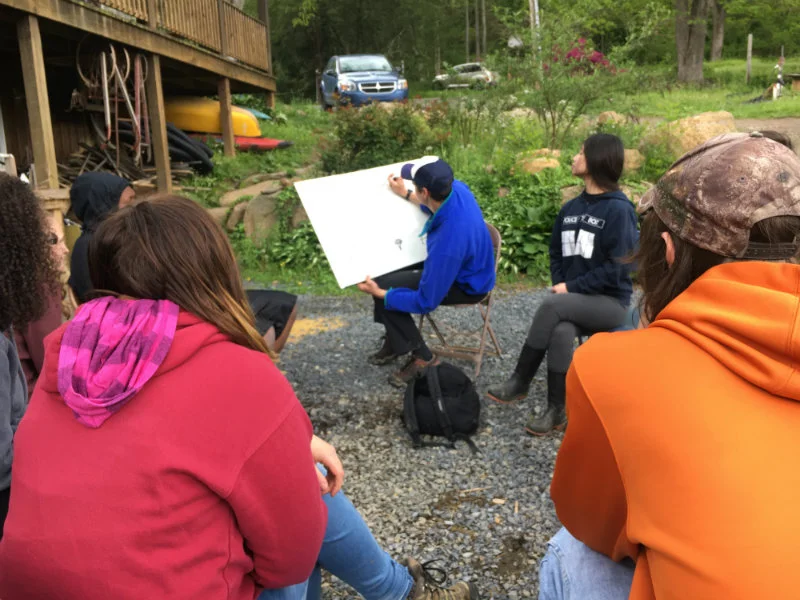
In one of our recent workshops (a weekly lesson covering topics such as agricultural, outreach, peer leadership, and DEIJ), the youth confronted the overarching topic of climate change resistance at LEAF. That subject can seem scary. So, we made it fun!

In the workshop, we split youth into separate groups. Each group was tasked with a special mission: to develop a proposal of adaptations that we should install on the farm. After their plans were drafted, the youth came together to cross-examine one another. They reflected on the advantages of certain features, poked holes in the disadvantages of others, and grew inspired by the imaginations of their peers. 

The information compiled during this workshop was so valuable that words cannot describe it.

Confronting these hard topics doesn’t have to be dreadful. It can be fun. It can be as simple as debating with coworkers that feel like friends. It can be as complicated as a month-long series of intensive meetings. One thing that confrontation sometimes is? Necessary. 

From facing this problem head-on and together, we’ve been able to move forward. We’ve been able to structure a plan for instilling climate resilience within our small operation here at LEAF. The best advice we can give is to have the courage to face those larger-than-life problems. Think of us, bring together your community to face it, and suddenly solutions might not seem so far away.

Lessons From Other Farmers

They say that there’s nothing better in life than companionship. … or, at least, someone does. We don’t know who “they” is. But we can say one thing for certain: that we are lucky to have such a wonderful community rooting for our growth!

During hard times, plants wilt. They shrivel inwards on themselves. They aren’t entirely social with their neighboring plants. Luckily for us, Homosapiens are just a little more complex than plants. We grow, both literally and metaphorically. We persevere. We adapt. Most importantly, we can turn to our peers for help. 

As a part of our initiative to become more climate-resilient, we’ve been reaching out to the other farmers of the mid-atlantic to share some of their wisdom with us. So many amazing farmers showed up to the Advanced Growers Gathering held by Pasa Sustainable Agriculture this past fall. The growers included in this panel were: 

  • Jeff Frank: Liberty Gardens

  • Marty Renner: Down to Earth Harvest 

  • Kirstie Jones: Pennypack Farm 

  • Trey Fleming: Two Gander Farm 

  • Liz Krug: Endless Roots Farm 

These growers had so much valuable advice to share. The highlights of the session were that:

  • Growing Seasons are changing. Different crops prefer to grow at different times, and are starting to struggle at peak summer temperatures.

  • Water Sources are changing. The amount of water that any land will receive is becoming less and less predictable as gradual rainfall becomes droughts and storms that flood the area. 

  • People are changing… or at least being incredibly challenged. The extreme conditions that climate change brings has taken a toll on many workers without adequate resources. 

The knowledge we’ve gained from our fellow farmers has been paramount in helping us navigate climate change. With their valuable insights in mind, we’ve been beginning to piece together an image of LEAF’s future. 

There may be better things than companionship in your life – and that’s okay! However, its presence during a crisis is all-important. By leaning on our community (and diverging from the plant lifestyle), we not only receive data, but the support that we need to adapt.

From Overwhelm to Action: How LEAF Youth Are Shaping a Climate-Resilient Farm

When we first introduced the topic of climate change to our youth crew last fall, we didn’t start with data or diagrams. We started with a question:

“What happens in your body when you hear the words climate change?”

The answers came quickly and honestly. Fear. Shutdown. Avoidance. A sense of being overwhelmed before the conversation even began.

Our youth are oftentimes in spaces where they hear over and over that they are stuck on a burning planet with no hope for the future … and somehow, it’s their responsibility to fix it.

Instead of overwhelm and fear, we wanted our crew to be able to look at the topic from a new lens and to feel capable of addressing the real problem without catastrophizing. We wanted to find a middle ground.


Finding a Different Way In

Much like leadership development, farming also exists in that middle ground.

Farmers don’t have the luxury of tuning out reality or catastrophizing it. They work with what is, adapting day by day in partnership with the land. That mindset became our entry point into climate resilience.

From there, we built a shared foundation. Together, we explored the basics of climate science. This included things like the greenhouse effect, shifting weather patterns, and the systems actually driving change.  All the while, making space for the emotional weight behind it all.

And something shifted.

What started as a heavy, distant topic became something our crew could engage with, bringing curiosity, thoughtfulness, and collaboration. 


Connecting Climate to Everyday Life

One of the most memorable moments came through an unexpected lens: candy!

It was nearing Halloween, so we decided to analyze the climate impacts on some of our favorite October treats.  As we broke down the ingredients in a typical chocolate bar, a bigger picture emerged. Cocoa, dairy, nuts, oils - each one tied to regions and systems already being impacted by climate change.

It became clear that climate isn’t an abstract issue. It’s deeply connected to the foods we eat every day - and to the farmers growing it.

From there, our conversations expanded to the global food system. Together, we explored what it might mean to face disruptions in food availability and affordability in the years ahead and what it looks and feels like to be part of a generation navigating those realities.


Learning from Farmers on the Front Lines

To ground our learning in real-world experience, we turned to farmers across the Mid-Atlantic who are already adapting to a changing climate.

Through this research and direct conversations, our crew began to see what climate resilience looks like in practice.

Farmers spoke about working through heat waves.  These conditions are not just uncomfortable, but increasingly becoming dangerous.  They shared how growing seasons are shifting, with crops struggling to survive peak summer temperatures and new patterns like “summer dormancy” emerging, where it becomes too hot for plants to produce a bountiful crop.

They talked about heavier rainstorms, longer dry spells, and the constant need to adapt. But alongside those challenges was something else: innovation. They were experimenting with new crop varieties, investing in irrigation, and rethinking long-held practices.

Again and again, we saw that the farmers most equipped to navigate these changes are the ones willing to adapt, experiment, and lead.


Turning Knowledge into Action

With this foundation in place, our youth crew took on a new challenge: What can we do at the LEAF farm to combat climate change?  LEAF has been given an incredible opportunity through the Pennsylvania DEP to take a deeper look at climate-smart farming and to make implementations on our own farm. 

Using what they had learned, our youth crew conducted a full SWOT (Strengths, Weaknesses, Opportunities, Threats) analysis of the LEAF farm through a climate lens. Their insights were thoughtful, specific, and deeply grounded in reality.

They recognized strengths in our existing soil health practices, crop diversity, and efficient irrigation systems. At the same time, they identified real vulnerabilities like bare soil exposure, heat stress on crops, and the risk of flooding in lower fields.

From there, they began to imagine solutions.  Working within a real budget, they evaluated potential climate-smart investments and made decisions about what changes to implement on the LEAF farm.

Their recommendations were bold and clear:

  • Reduce or eliminate bare soil to protect long-term soil health

  • Transition vulnerable flooding areas into perennial plantings

  • Improve water management through catchment systems

  • Build resilience into critical systems with backup infrastructure like generators

These weren’t theoretical ideas or overwhelmingly complicated - they were practical, actionable steps toward building a more climate-resilient farm.


What Comes Next

This is just the beginning!

In the coming months, we’ll be putting these plans into action to strengthen our farm for the future.

We’ll also be sharing that process along the way: what we’re implementing, what we’re learning, and how our youth crew continues to lead the way!  We’d love for you to be a part of our next step.  Mark your calendars for Sunday, April 26th from 2-5 to help prep our farm for our youth-recommended, climate-smart implementations!  This is an Earth Day Party you won’t want to miss, boasting meaningful work, a seedling pop-up sale, and all-local treats to snack on.  

Because climate resilience isn’t just about adapting. 

It’s about building the knowledge, confidence, and leadership needed to face an uncertain future.  And shaping it, together!
LEAF Summer Internship Update

Not much is certain at this time for us, except for one thing: young people are an integral and powerful part of reconstructing our world. LEAF is committed to providing meaningful employment opportunities for youth leaders while prioritizing the health and safety of our interns, staff, and community. For the past three weeks, LEAF has migrated all programming online! We are hosting two online video conference work sessions each week where our youth crew is exploring personality inventories, leadership goals, current issues in the food system, farm skills (like potting up!) and so much more. The crew is still simultaneously working hard and having fun. 

While we sincerely hope to be on our farm with 30 young people sharing about our lives while harvesting tomatoes, laughing while picking green beans and bonding during workshops, we know there is a possibility that may not happen. Flexibility and adaptability are both things we ask of our youth each summer and we are up to the challenge now! As we look ahead to an uncertain summer, the staff is creating innovative and engaging plans for LEAF to continue employing and cultivating youth leaders. Because of the unknown, we are building plans that range from an abbreviated schedule to an online curriculum. Regardless of what the summer will look like, LEAF is dedicated to being a foundation for the community to stand on and a safer place for youth to grow. 

We are genuinely excited about our summer season and cannot wait to build the world we wish to see with all of you! Please consider applying today or sharing our application with someone you know! 

Growing together, 

The LEAF Team 

LEAF Farm Share Raffle

Each year at LEAF we raffle off something exciting for signing up for our LEAF Farm Share. This year, our raffle item is more exciting than ever!

Sign up for our Farm Share by April 1st to join our raffle! As always, you’ll get the benefit of supporting our youth-focused mission as well as receiving delicious, local produce from us on a weekly basis. If that’s not enough, when you sign up by April 1st, you’ll be entered to win:

Check out our Farm Share FAQ for more information about our farm share or email farm@leafprojectpa.org if you have any additional questions!

We are so grateful for your trust in us and cannot wait to share our bounty with you!

A Farewell to Some Special People 

By Heidi Witmer, Executive Director

Tromping through the soggy, icy farm last week, I saw something amazing - the early green growth of garlic beginning to peak through their winter bed of straw. The first signs of seasonal change left me in awe and made me pause for a moment to reflect on the changes at LEAF. Around this time last year, our team came together for our annual retreat and explored how to take LEAF from our start-up phase into our next chapter of growth. We emerged from that retreat with an ambitious yet clear road map for the next few years that drives our young, determined, impactful organization to grow in a thoughtful, collaborative, and sustainable way - like a native plant with deep roots, in a diverse and resilient ecosystem.

Around the same time, two of our key staff members, Maggie Stonecash and Mackenzie Johnson, were experiencing transitions of their own. By March, we knew they would be leaving our team at the end of the year and we wanted to have a meaningful and powerful last season together. We took time to dream about what LEAF's ideal staffing might look like and clarify the roles and talents we'd need for LEAF's next phase. We put our dreams to paper, launched a national search for our new team members, and found them! We’re thrilled to introduce our new staff members and work collectively towards our mission. In our excitement for the future, we think it is important to reflect on the impact both Mackenzie and Maggie have had in building LEAF to remember where we come from.

Maggie has been a thought partner in LEAF since before it even had a name. Around many kitchen tables during late night visioning sessions, she has helped nurture this bold idea into existence. As our first Program Coordinator, Maggie poured countless hours into designing LEAF's curriculum, learning from other peer organizations, and designing powerful experiential learning opportunities for youth. One of the most significant legacies Maggie leaves is a thoughtful equity & inclusion curriculum that invites all youth to learn about themselves, about working alongside people who are different from them, and about how our different life experiences make our community work. After the birth of her daughter, Basil, Maggie transitioned into a new role with LEAF, our first ever Development Director. Here, Maggie too has left a meaningful legacy of keeping our mission and our youth at the core of all of our fundraising through innovative approaches and authentic opportunities for our community to support this work. We are thrilled for Maggie's next vocational adventure in developing mindfulness and yoga education opportunities for children and youth.

Mackenzie first joined the LEAF team in the summer of 2015 as a crew leader and rising senior in college. From the first few days of her orientation, it was clear that Mackenzie brought something special and needed to our team - which is why we approached her about becoming a Program Assistant when she graduated. During Mackenzie's four years with LEAF, she quickly became indispensable and helped build LEAF into what it is today. Her remarkable capacity for efficiency, systems analysis, and passion for pursuing equity allowed us to further develop both our systems and our curriculum. More than that, Mackenzie's unfailing sense of humor and ability to reference just the exact right meme for any situation built warmth and camaraderie on even the most difficult days on the farm. Early this year, Mackenzie moved to Tennessee and is off to new adventures of her own.

Reflecting on these two amazing individuals and all they have brought to LEAF is humbling and inspiring. Thank you, Mackenzie and Maggie, for all that you have done - we cannot wait to follow your journeys! And thank you to all of you reading this blog, your continuous support makes our work possible. Here’s to a new season of warmth and growth!

What does it take to be a young leader?

Even though the weather has been all over the place this spring - snow to heat and sun to never-ending rain - things have been progressing steadily at LEAF! Over the past few months, the staff has been focused on recruiting and hiring the crew of youth interns who will being their experience this summer in June, and the youth have been working hard to prepare the farm and themselves for a great season! 

Fall Internship: Ventures & Social Enterprise

After several weeks of hard work throughout August, September, and October, the Fall Crew is over. Five youth worked twice a week on the farm and in the kitchen, preparing meals for our Kits program and doing projects large and small on the farm as part of our Ventures Crew. In the fall, there is still produce to be harvested and cultivated, while we also shift our focus to preparing the farm for the following season...

Weeks 2 + 3 - Why we eat

The past two weeks at LEAF have been filled with some amazing stuff! In an incredibly short amount of time, our new crew has built many new skills, both in the farm and in the kitchen. The leadership team - Crew Leaders, Assistant Crew Leaders, and Level 2 Crew - has also been fortifying and practicing their skills as they lead tasks each day.

Week 1 - Thunder Spuds and Sick Beets

Unbelievably, the first week of LEAF is complete! Twelve new individuals started their first experience with LEAF last Thursday, with two days of orientation. Our leadership team (composed of our Crew Leaders, Assistant Crew Leaders, and Level 2 Crew) was fully prepared for their arrival after spending Monday, Tuesday, and Wednesday in workshops and farm tasks meant to equip them with the necessary skills for the entire summer.

Spring internships, wrapping up!

Even though it feels like it just began, our spring internships are already coming to a close! This week is the last week of both our ventures crew, and our leadership series. The youth who have worked with us have done a tremendous amount on the farm since starting in mid April, including planting what feels like and entire farm’s worth of salad greens!   

New projects, new weather!

A couple weeks ago, we shared with everyone a little bit about our new greenhouse project. Beyond getting the site cleared and level for construction, there are now posts in the ground that will serve as the foundation for the structure. This project has been in the making for a long time. Last year, when I (Mackenzie, Program Coordinator) was still a student at Dickinson, had the great opportunity to work with LEAF on a grant writing project as a part of a class. The purpose was two fold - my two classmates and I would be able to learn through the process the ins and outs of writing grants (or as much as one can in a few short months!)...